Expanded Mechanistic Pathways Studied Laboratory studies have examined GHK-Cuassociated activity across several distinct mechanistic domains: Extracellular matrix regulation : Modulation of collagen and elastin synthesis and extracellular-matrix organization Matrix metalloproteinase (MMP) regulation : Influence on ECM turnover and remodeling dynamics Integrin-mediated cell adhesion and migration signaling : Investigation of fibroblast and keratinocyte movement, attachment, and tissue-organization processes Growth-factor regulation networks : Examination of transforming growth factor- (TGF-) associated signaling involved in tissue repair and remodeling Pro-inflammatory cytokine suppression : Modulation of inflammatory mediator expression in immune-cell and tissue models Antioxidant response elements (ARE) : Activation of transcriptional pathways associated with cellular antioxidant defenses Copper sequestration and homeostasis mechanisms : Chelation of copper ions by GHK to limit metal-catalyzed oxidative stress and regulate intracellular copper availability Redox-sensitive signaling pathways : Coordination of oxidative balance through copper-dependent enzymatic activity Research Applications Tissue-Specific Research Models Fibroblast migration studies : Investigation of directed cell movement and wound-edge repopulation dynamics Keratinocyte differentiation and epithelial barrier function models Endothelial cell cultures and angiogenic signaling investigations Neuronal regeneration and neuroprotection assays in nervous-system research models Molecular and Cellular Process Studies Immune-cell recruitment and inflammatory mediator modulation Oxidative-stress resistance and antioxidant pathway investigations Stem-cell-associated signaling and differentiation marker studies Antimicrobial peptide interaction and synergistic effect assays Comparative and Mechanistic Studies Comparative analysis of copper-free GHK versus copper-bound GHK-Cu Peptide-mediated trace-metal delivery and metalloprotein interaction studies Laboratories that order GHK-Cu peptide often integrate it into multi-pathway investigations examining endogenous regulatory peptides and metal-binding biomolecules

What is to be made about the contradictory evidence
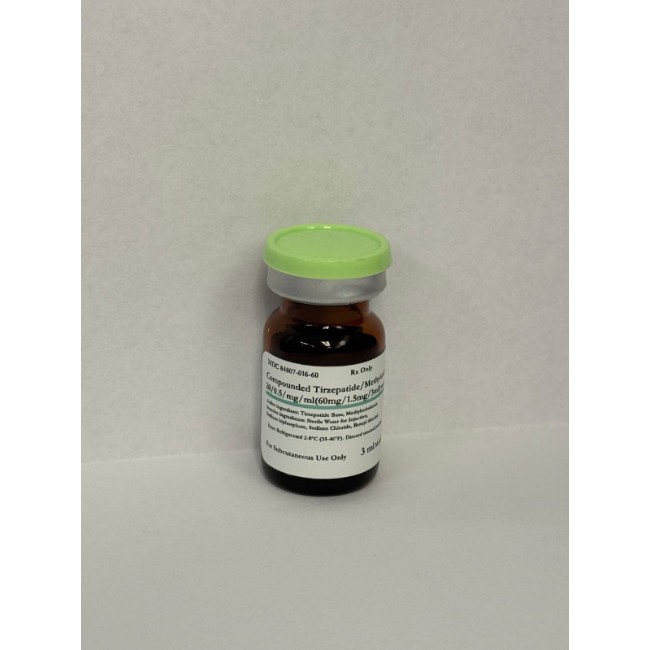
Some formulations contain benzyl alcohol and aluminum, which may pose risks for infants or those with kidney conditions
K.: Hygroscopic study of glucose, citric acid, and sorbitol using an electrodynamic balance: comparison with UNIFAC Predictions, Aerosol Sci
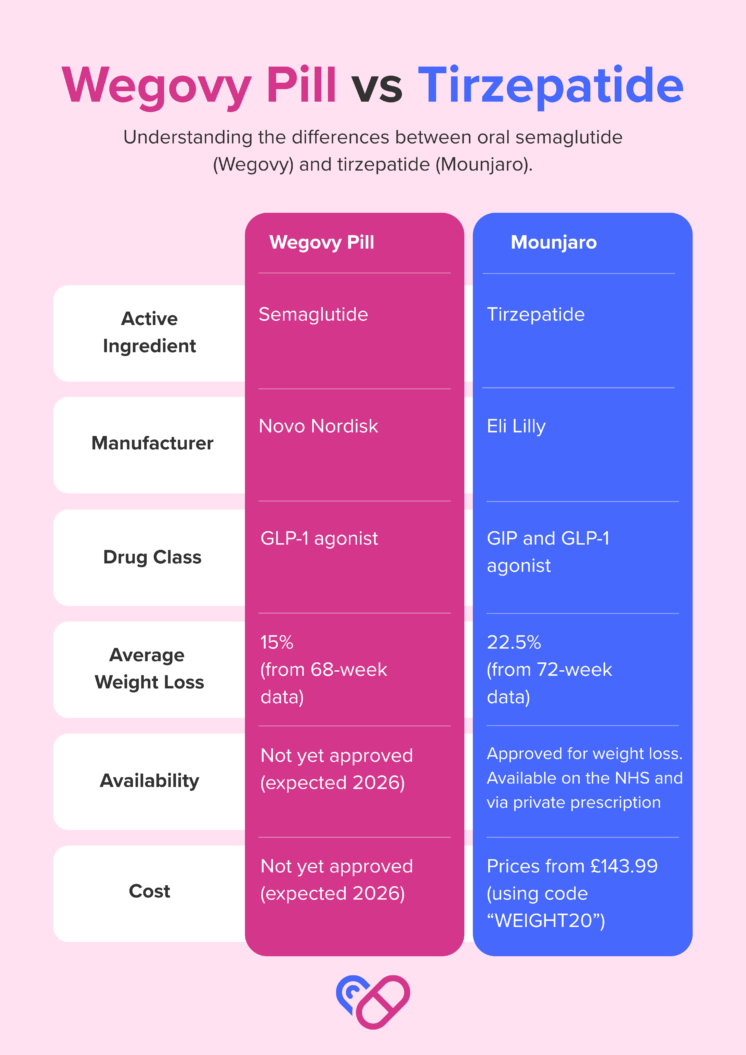
Drugs.com Because of this evolving science, clinics such as CutKilo are ideally placed to guide patients through safe, responsible use of these medications, and to manage the transition as new drugs become available