Researchers believe these peptides may influence processes such as: Collagen remodeling Fibroblast activation Angiogenesis Cellular communication Extracellular matrix maintenance Oxidative stress regulation Instead of filling things in like moisturizers and creams, peptides signal cells
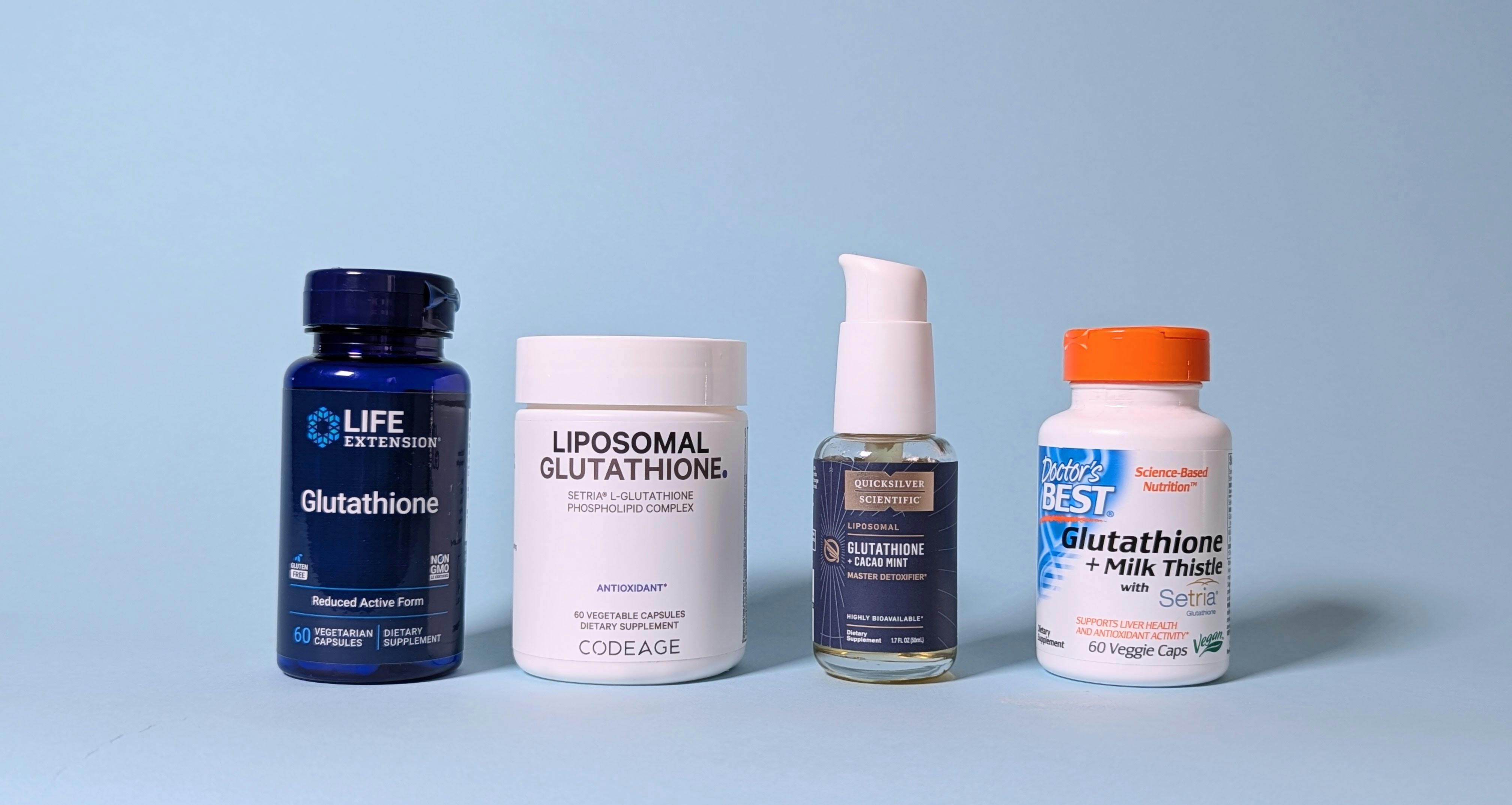
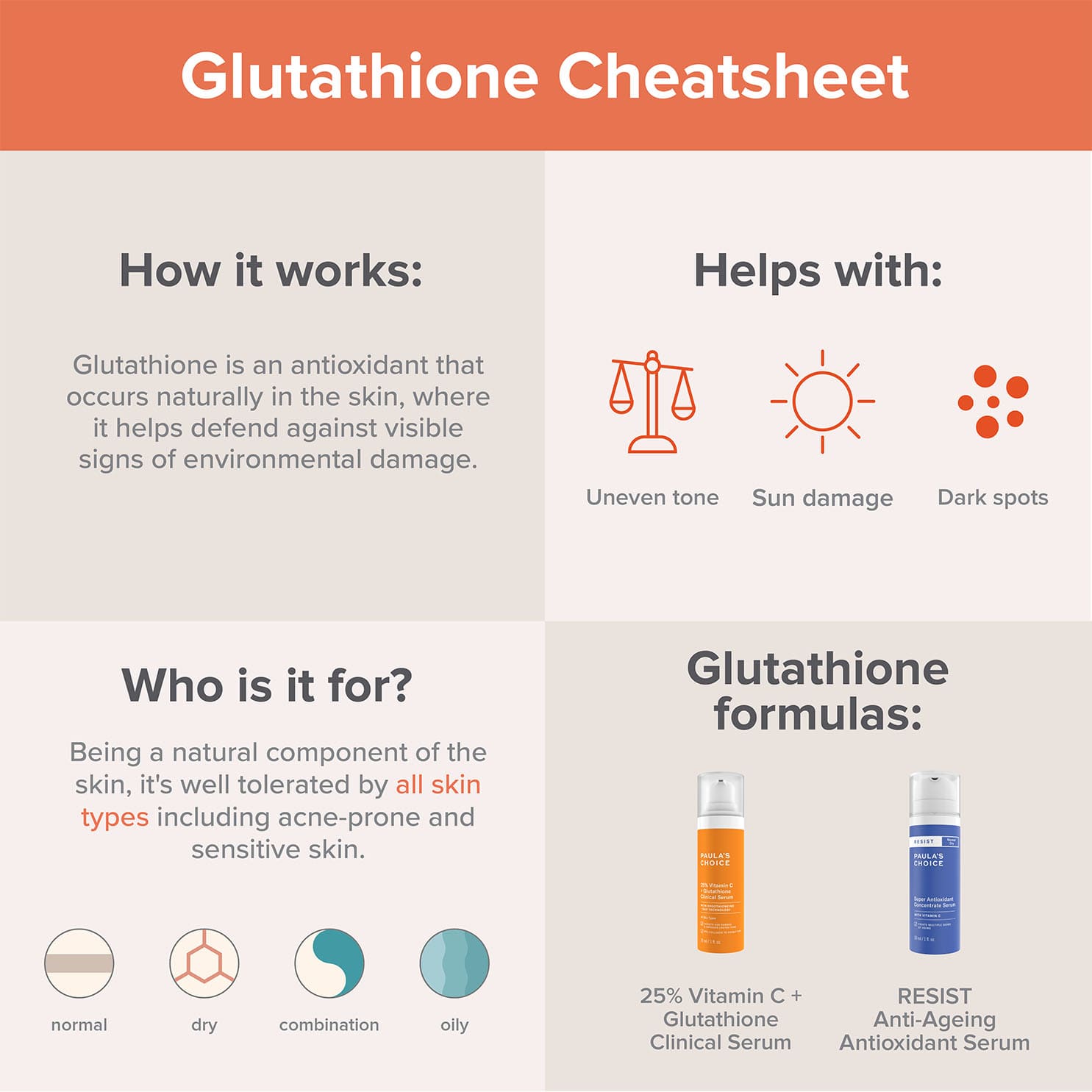
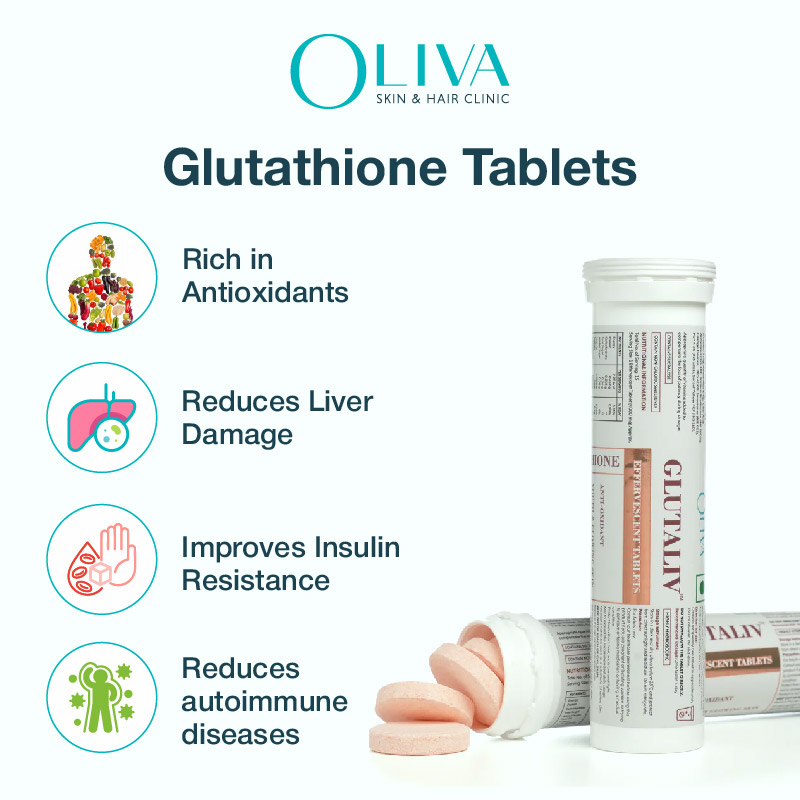
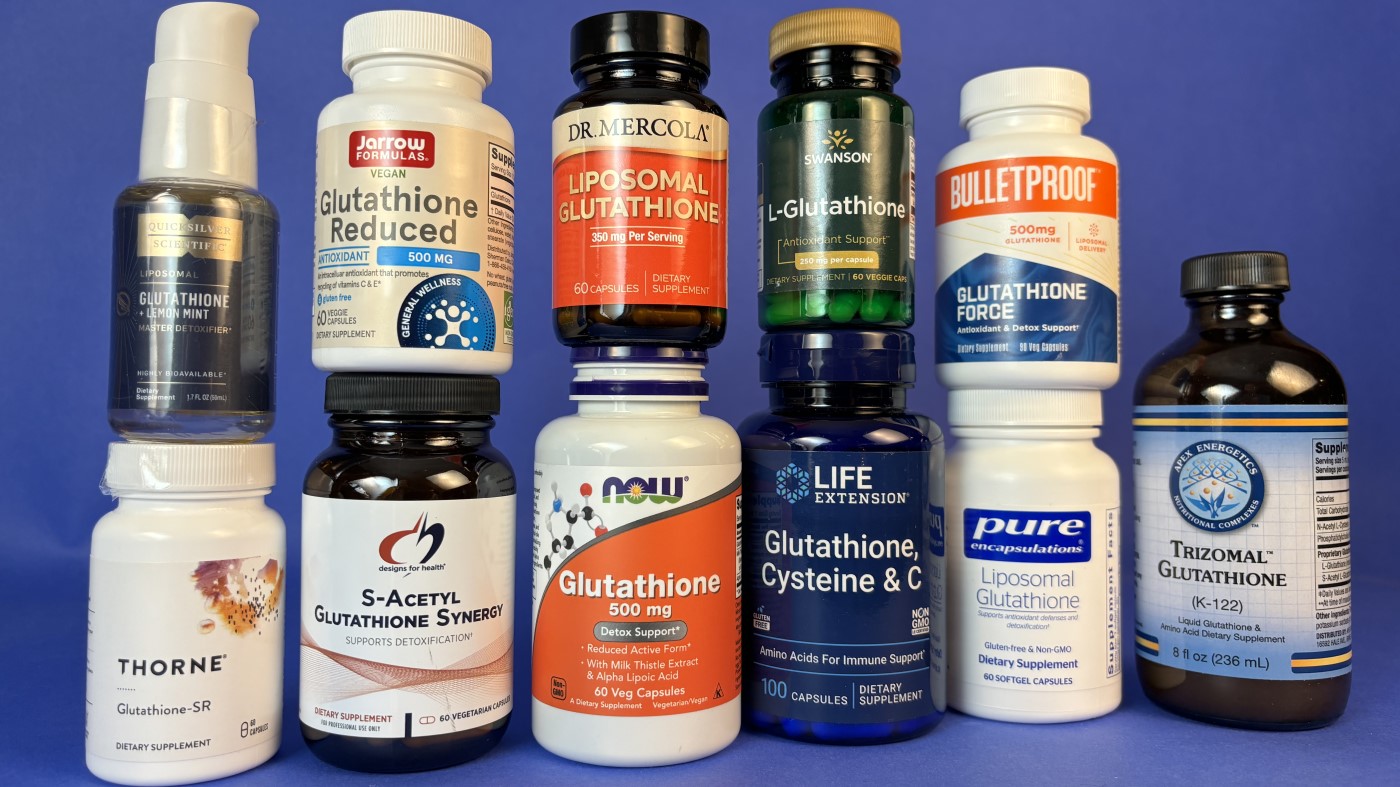
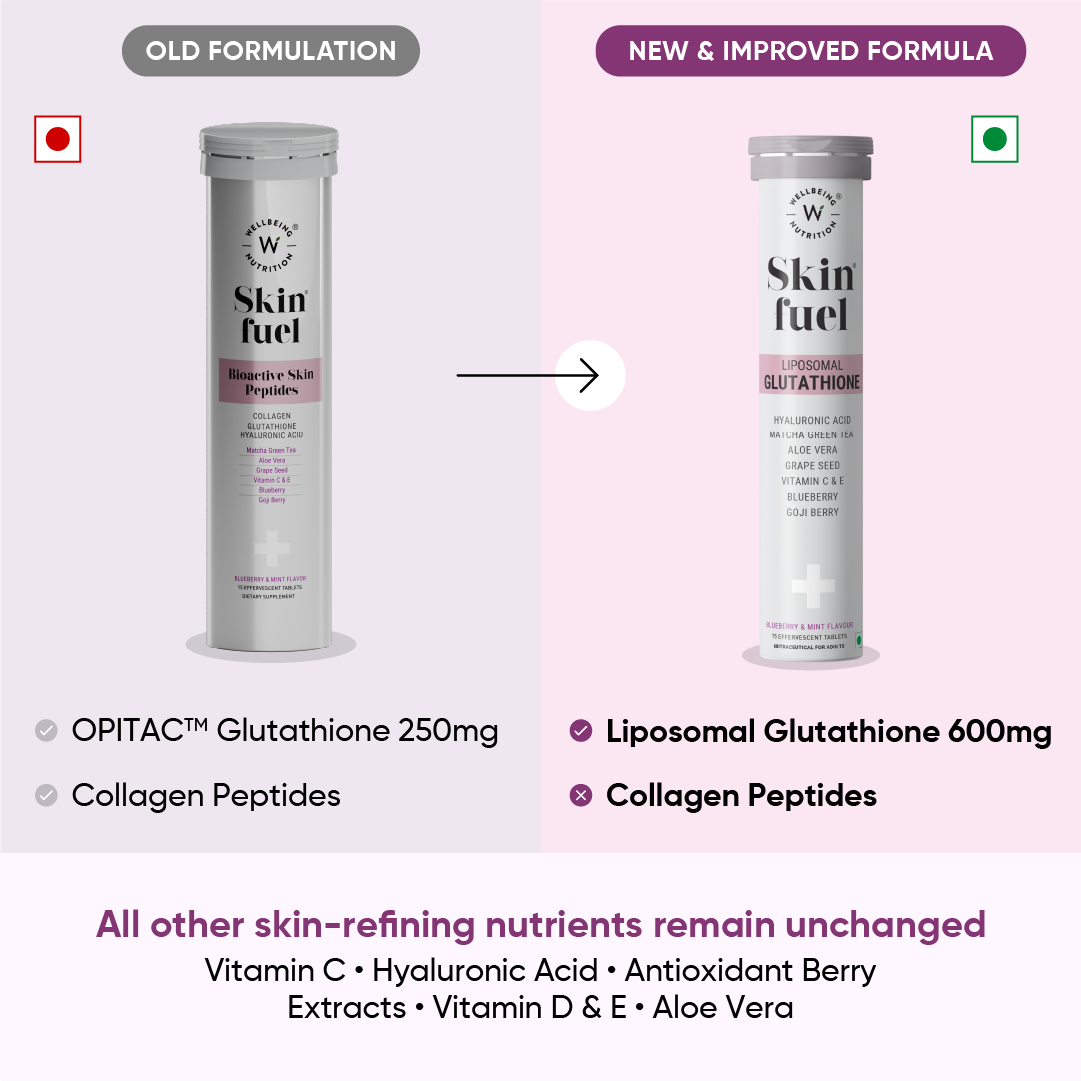
Reduced glutathione works by scavenging free radicals and preventing them from causing damage to cells and tissues
We detected a lower arginine/proline media ratio (lower metabolite concentrations in arginine medium compared to proline medium) for 2-oxoglutarate, linoleate, 11,14-eicosadienote, proline, 2-aminoadipate, pyroglutamate, para-toluate, 2-aminobutyrate, lysine, glutamine, alanine, glutamate, serine, and margarate in gdh3 / gdh3 mutants compared to wild-type
Specific peptides can promote tissue regeneration, reduce inflammation, and improve cellular repair, making them especially useful for injury recovery, post-surgical healing, and rehabilitation from chronic pain conditions
BPC-157 promotes angiogenesis, the formation of new blood vessels, through activation of the VEGF pathway














![Star brite Mildew Stain Remover - 32 oz [85632] Brand_Digital Antenna](https://cdn.shopify.com/s/files/1/0827/9251/3856/files/113160XL.jpg?v=1774063745)