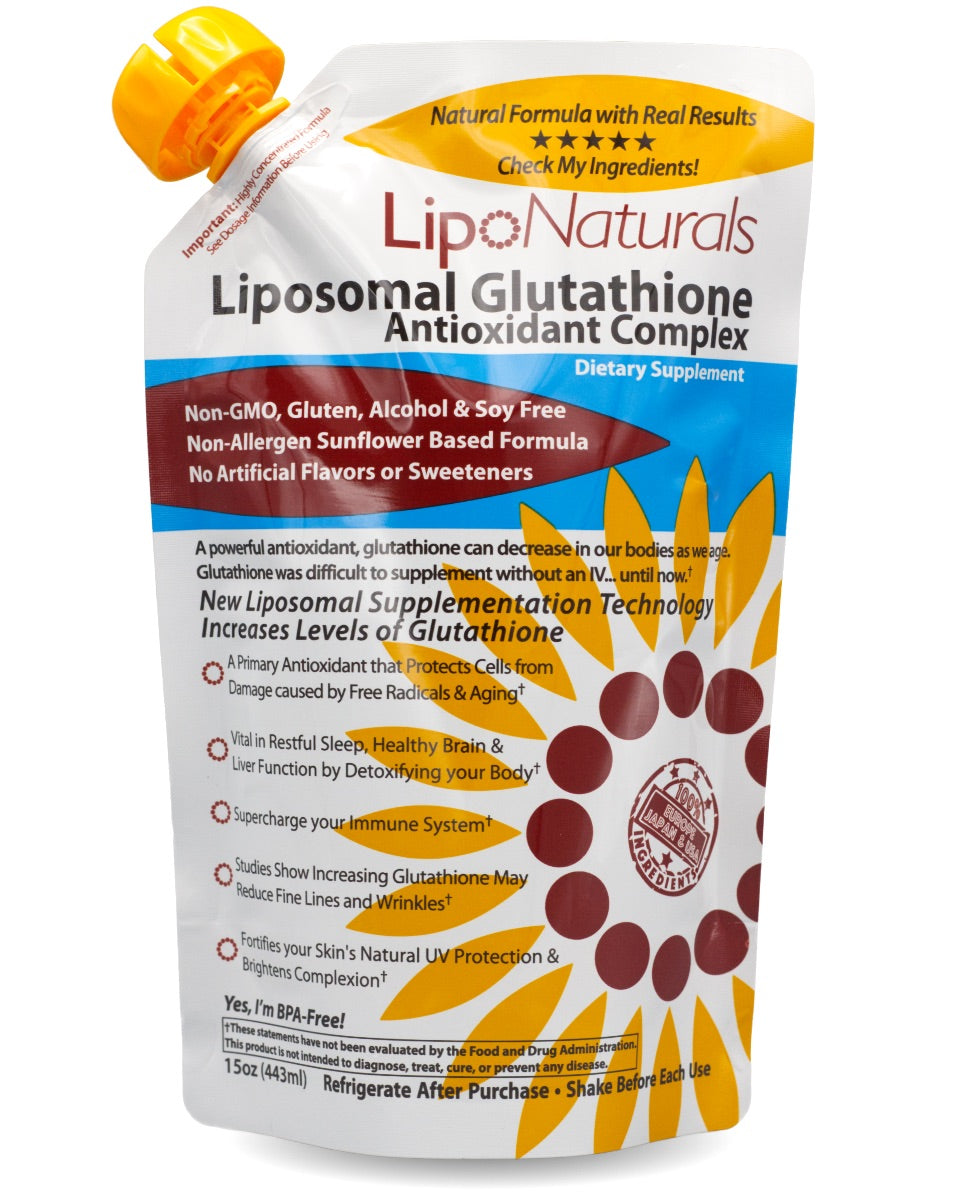
fondamentale per il nostro organismo perch svolge davvero molte mansioni, queste sono le pi importanti: Scudo antiossidante protegge soprattutto il fegato dai radicali liberi
Mitochondrial-derived peptide MOTS-c attenuates vascular calcification and secondary myocardial remodeling via adenosine monophosphate-activated protein kinase signaling pathway
[8] The researchers reported that it stimulates insulin release through the calcium channel and the adrenergic receptor pathways. Interestingly, it appears to mediate an immediate short-term response, causing a rapid GH release

Additional Monitoring May Be Considered In: Higher-frequency regenerative research protocols Long-duration experimental protocols Multiple concurrent regenerative or metabolic-support compounds Significant peptide-sensitivity research models Liver-function or copper-metabolismrelated investigations Research models involving copper- or zinc-balance investigations Avoid or Carefully Evaluate In Research Models With: Known hypersensitivity to peptide compounds Active severe systemic illness Severe uncontrolled metabolic or neurological conditions Active or suspected cancer-, tumor-, or abnormal proliferative research models Pregnancy or breastfeeding contexts Additional Research Considerations Because GHK-Cu is a copper-binding peptide, prolonged or higher-frequency research exposure may influence: Copper- and zinc-related biomarker pathways Oxidative-stress regulation mechanisms Skin-related and regenerative-response variability Tissue-remodeling and collagen-related signaling pathways Research protocols commonly investigate the inclusion of: Zinc supplementation Vitamin C supplementation alongside GHK-Curelated research models because of their involvement in: Collagen-related pathways Antioxidant-support mechanisms Skin-integrity and tissue-maintenance signaling Physiological-resilience pathways Research involving regenerative and tissue-remodeling pathways remains ongoing, particularly within broader investigations involving cellular-response, oxidative-stress regulation, and tissue-maintenance mechanisms

Use additional codes (92928) when a stent is placed
















![Front splitter v.1 peugeot 208 gti mk1 Dodge ChargerMk2 Facelift [2014-]](https://cdn.shopify.com/s/files/1/0615/3856/6391/files/pol_po_Front-Splitter-V-1-Peugeot-208-GTi-Mk1-16137_2.png?v=1744218600)
