All content, including text, graphics, images and information, contained on or available through this website is for general information purposes only
Animal studies have shown potential risks to fetal development

Managing constipation whilst on GLP-1 treatments Dietary strategies Increase fibre intake gradually to 25-30g daily through fruits, vegetables, whole grains, and legumes Stay well-hydrated with at least 2-3 litres of water daily Consider psyllium husk or other soluble fibre supplements if dietary fibre is insufficient Magnesium supplements can have a laxative effect and relieve constipation Include probiotic-rich foods like yoghurt, kefir and fermented vegetables Limit foods that may worsen constipation such as processed foods, cheese, and white bread Physical activity approaches Try specific yoga poses known to stimulate digestive motility Practice abdominal massage in a clockwise direction Maintain an active lifestyle with regular movement throughout the day and at least 30 minutes regular exercise Consider a short walk after meals to stimulate digestion Bathroom habits Establish a regular toileting routine at the same time each day Dont ignore the urge to have a bowel movement Use proper positioning with knees higher than hips (a footstool can help) Allow sufficient unhurried time in the bathroom Practice relaxation techniques to reduce tension during bowel movements Medical interventions Over-the-counter osmotic laxatives like polyethylene glycol (Movicol) for occasional relief Stool softeners such as docusate sodium (Dioctyl) if stools are particularly hard Bulk-forming laxatives such as ispaghula husk (Fybogel)

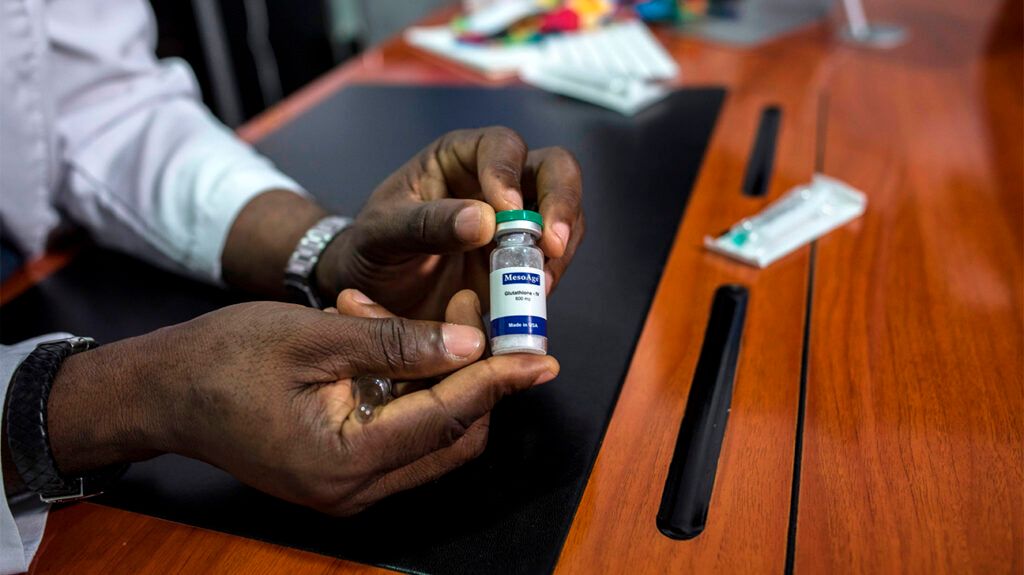
This allows for faster absorption compared to oral supplements, which must pass through the digestive system
Health Benefits of Plant-Derived Sulfur Compounds, Glucosinolates, and Organosulfur Compounds