But when it reaches the market, here's what to expect based on the current GLP-1 insurance landscape: If Approved for Type 2 Diabetes Most commercial insurance plans will cover it, especially if it demonstrates A1C reduction comparable to or exceeding tirzepatide Prior authorization will likely be required Step therapy (try metformin first, then other agents) is standard Copays with manufacturer savings: potentially $25$50/month If Approved for Obesity/Weight Management Coverage remains highly variable, and many plans still exclude weight management medications Medicare Part D: Congress has been debating coverage of anti-obesity medications, but it remains excluded as of early 2026 Self-insured employers increasingly adding GLP-1 coverage, but it's employer-specific Expect significant prior authorization requirements (BMI thresholds, failed diet attempts) The practical reality: even when retatrutide is approved, many people will face the same insurance barriers that currently exist for Wegovy and Zepbound

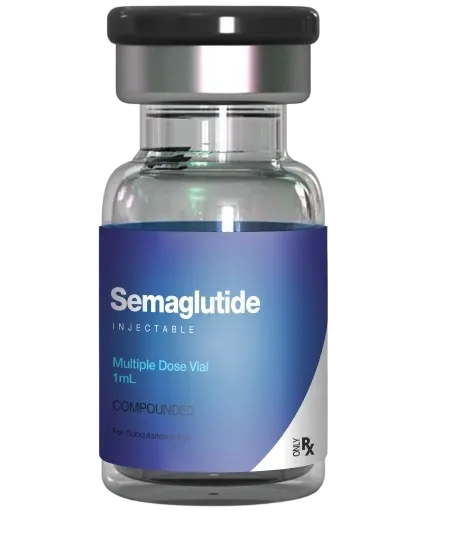
Both methods deliver semaglutide effectively, utilizing the GLP-1 pathway
We look at how illegal creams are still sold and how upmarket legal alternatives are still questionable
Even so, people who have a personal or family history of a type of thyroid cancer called medullary thyroid carcinoma (MTC) are usually not given semaglutide
Using the FDA's body-surface-area conversion, a 10 mcg/kg rat dose maps to roughly 1.6 mcg/kg in a human, but most practitioners use higher doses based on clinical experience