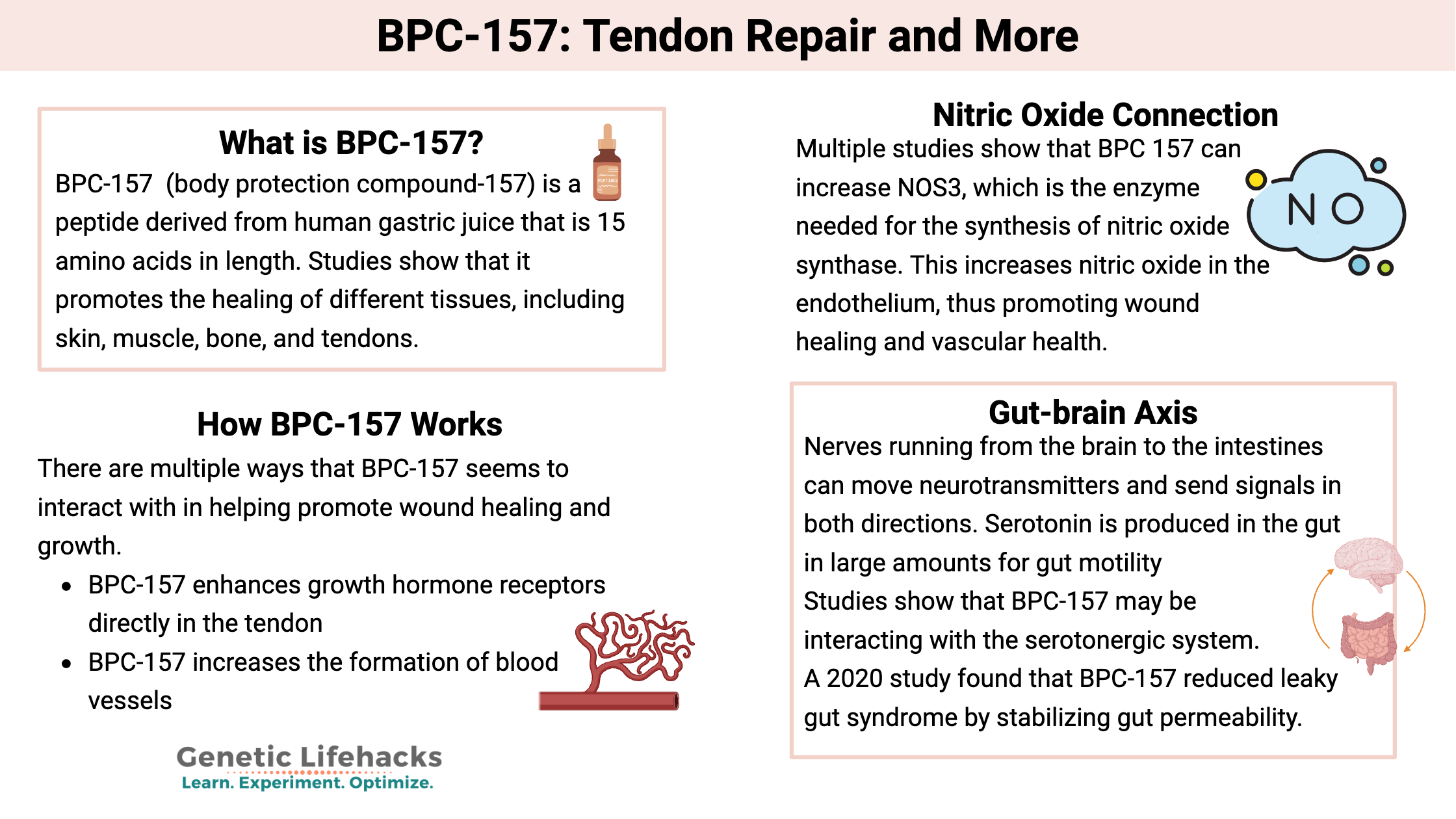
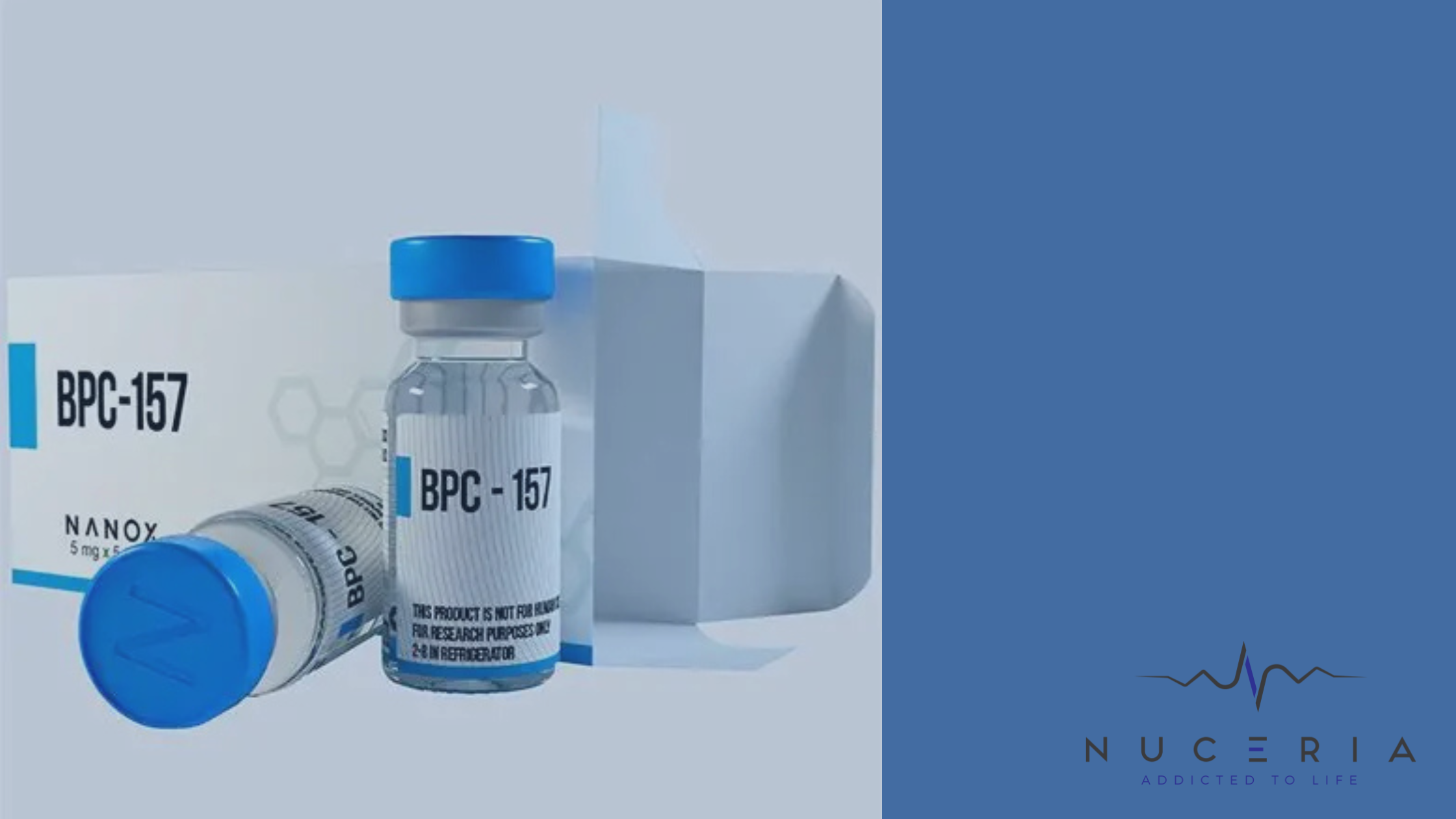
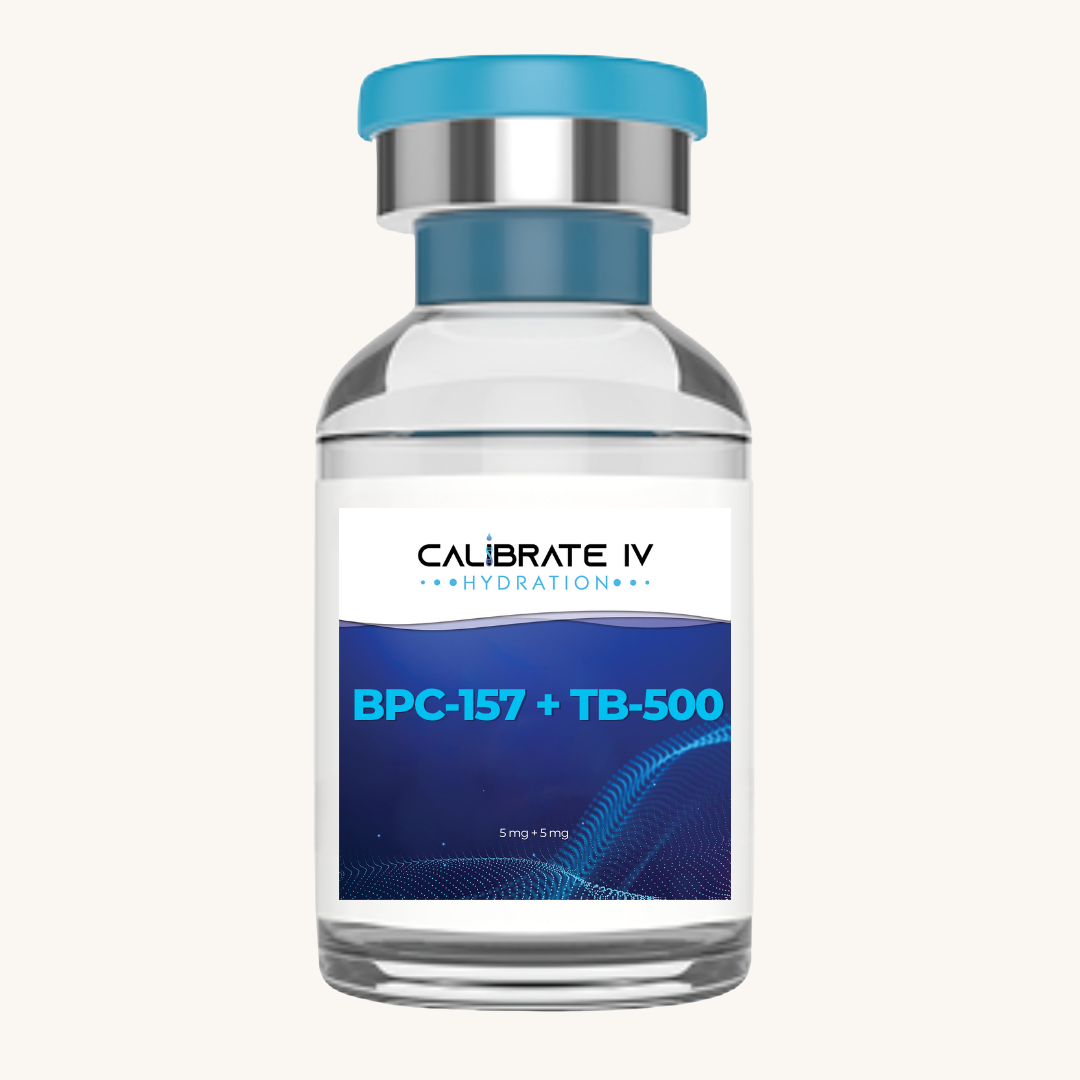
BPC-157, also known as L 14736, PL-10, or Bepecin, is a pentadecapeptide made of 15 amino acids
MUSE cells are more versatile, tougher, and better at finding damaged tissue on their own, which may lead to stronger results in arthritic joints and degenerative discs
Early research suggested the peptide might play a role in: Gastrointestinal tissue repair Protection against gastric ulcers Anti-inflammatory activity in intestinal tissue Angiogenesis (formation of new blood vessels) Because of these findings, BPC-157 has been explored in experimental models of: Gastric ulcers Intestinal injury Inflammatory bowel disease Tissue regeneration It has also gained attention online for broader claims related to injury healing and systemic health
Inhibition of caspase-3 activity and activation by protein glutathionylation
From there, it may interact with multiple signaling cascades involved in cellular communication and regulation