Peptides don't replace standard care but augment it addressing aspects conventional treatments miss (neuroprotection beyond pressure lowering, enhanced antioxidant capacity beyond vitamins, tissue repair supporting medication effects)
Molecular consequences of depression treatment: a potential in vitro mechanism for antidepressants-induced reprotoxic side effects
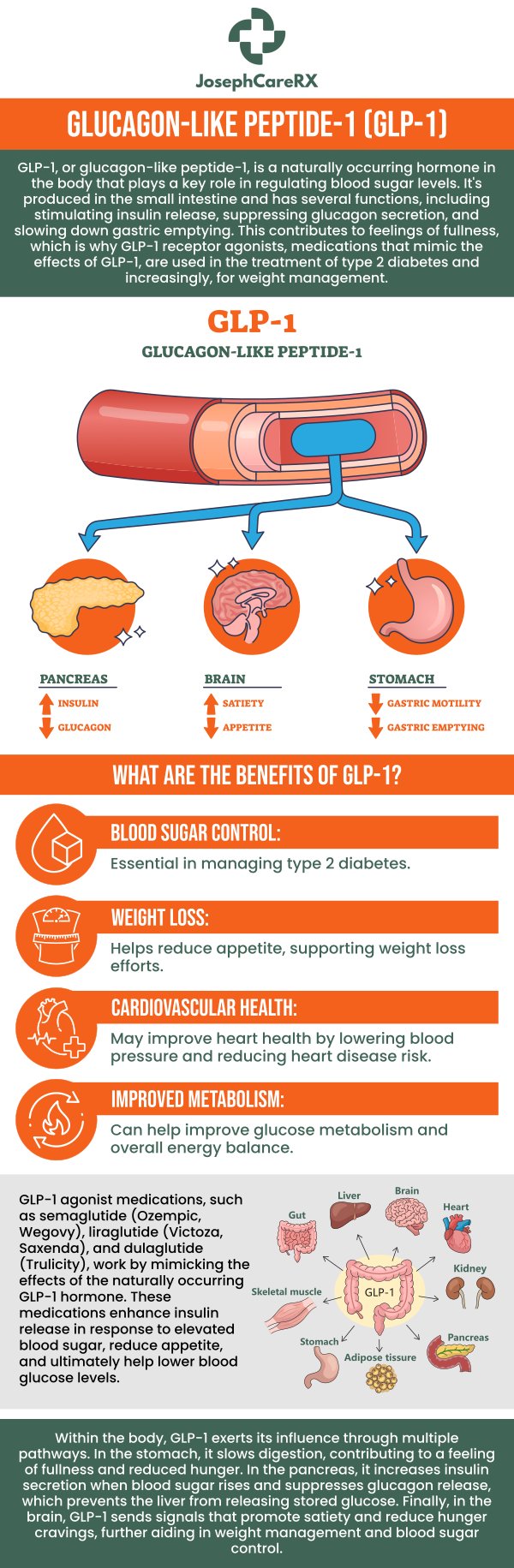
Their primary mechanisms of action include: Enhancing glucose-dependent insulin secretion from pancreatic beta cells Suppressing glucagon release , thereby reducing hepatic glucose production Slowing gastric emptying , which moderates post-meal glucose spikes Reducing appetite through central nervous system effects, particularly in hypothalamic regions Promoting satiety , leading to reduced caloric intake These medications have demonstrated significant benefits in glycaemic control, weight reduction, and cardiovascular risk reduction in clinical trials
Their natural sweetness can help satisfy sugar cravings that some users experience
Proteomic methods can identify the characteristics of drug-resistant cancer cells and identify targets to overcome resistance during anticancer treatment