When sharing, please include a link back to this page as the source.
The published human trials from the 1980s used 25 nmol/kg intravenously for short courses, typically four to seven nights, in chronic-insomniac volunteers
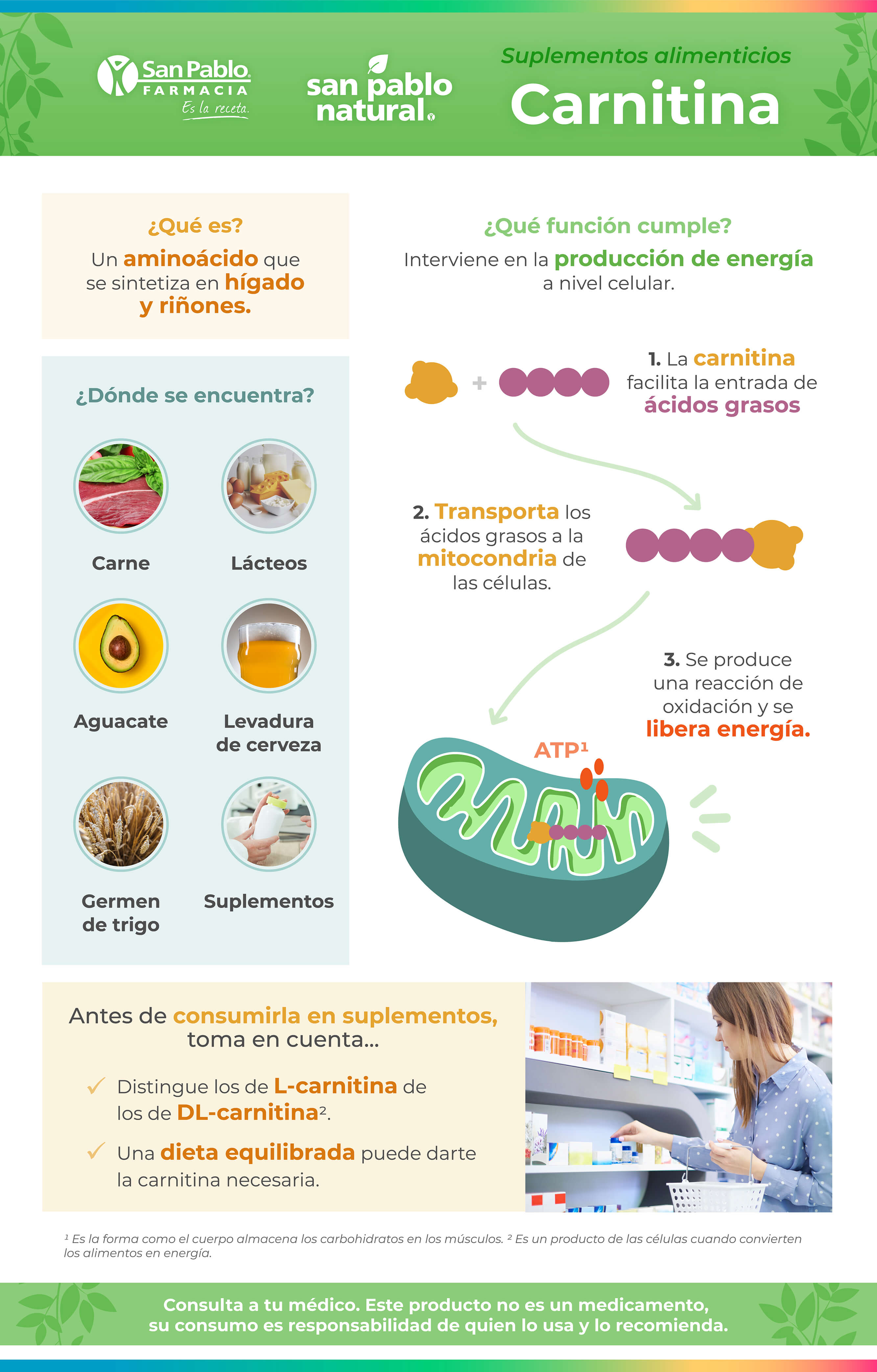
Despite reduced appetite, patients should aim to consume regular, balanced meals containing: Adequate protein (lean meats, fish, eggs, legumes, dairy) to support muscle mass and energy metabolism Complex carbohydrates (whole grains, vegetables, fruits) for sustained energy release Healthy fats (nuts, seeds, olive oil, avocado) for satiety and nutrient absorption Micronutrients from a varied diet, particularly foods containing B vitamins, iron, and vitamin D, which are essential for energy production Small, frequent meals may be better tolerated than large portions, helping to manage nausea whilst ensuring sufficient caloric intake
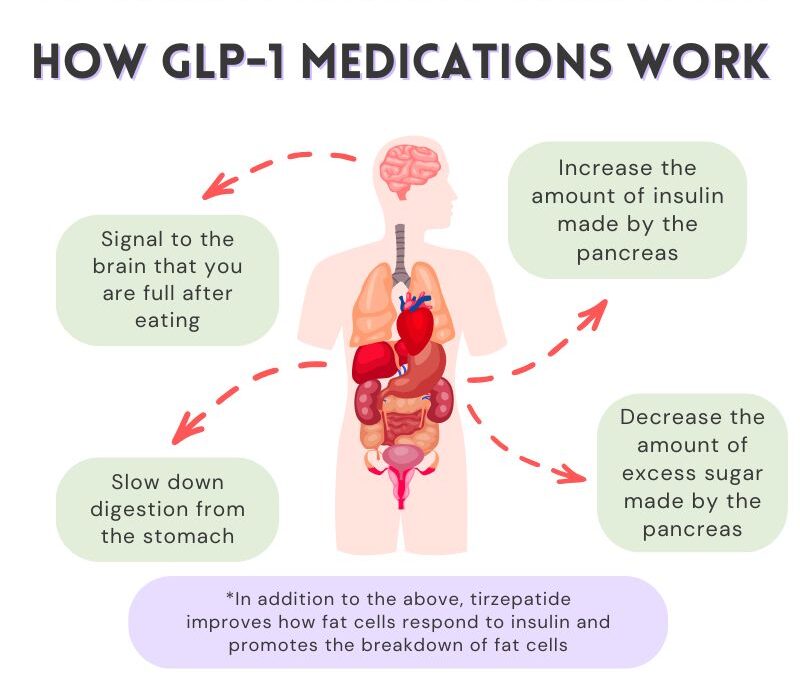
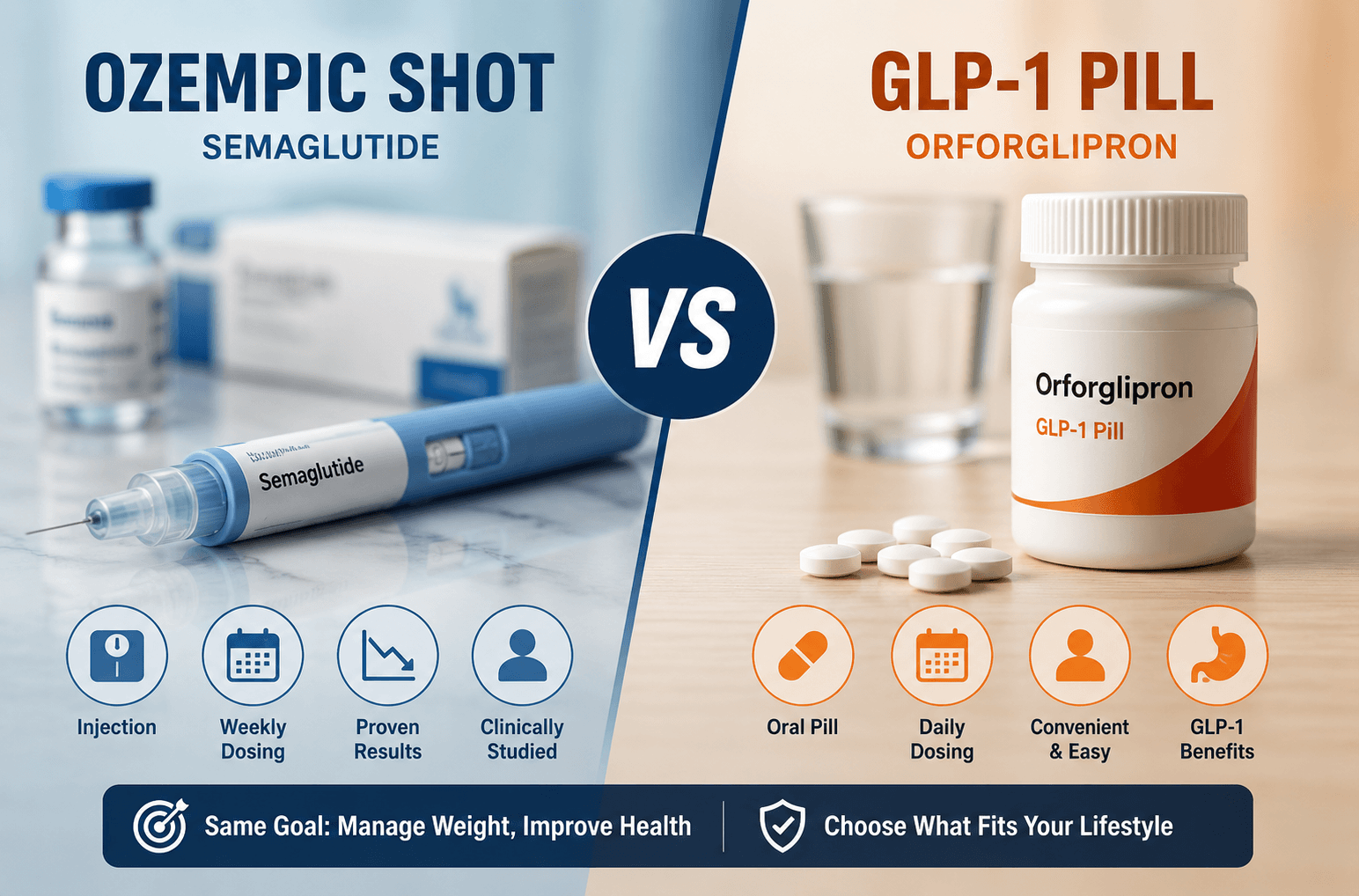
Gastrointestinal tolerance to GLP-1s appears to vary among individuals, with some people experiencing fewer side effects than others
The mazdutide versus retatrutide comparison highlights how different dual and triple agonist approaches are all converging on the same goal of maximizing weight loss while preserving metabolic health